
The Effects of Substance Abuse on Oral Health
People with substance abuse issues often have oral health issues. Some substances have been scientifically proven to cause damage to the gums and teeth. Often, people in the grips of drug or alcohol addiction struggle with maintaining good hygiene, which means they aren't regularly brushing their teeth, flossing, or visiting the dentist. Sometimes, this leads to painful dental conditions, which can result in the person using more substances in an attempt to self-medicate the pain away.
What Do Healthy Teeth and Gums Look Like?
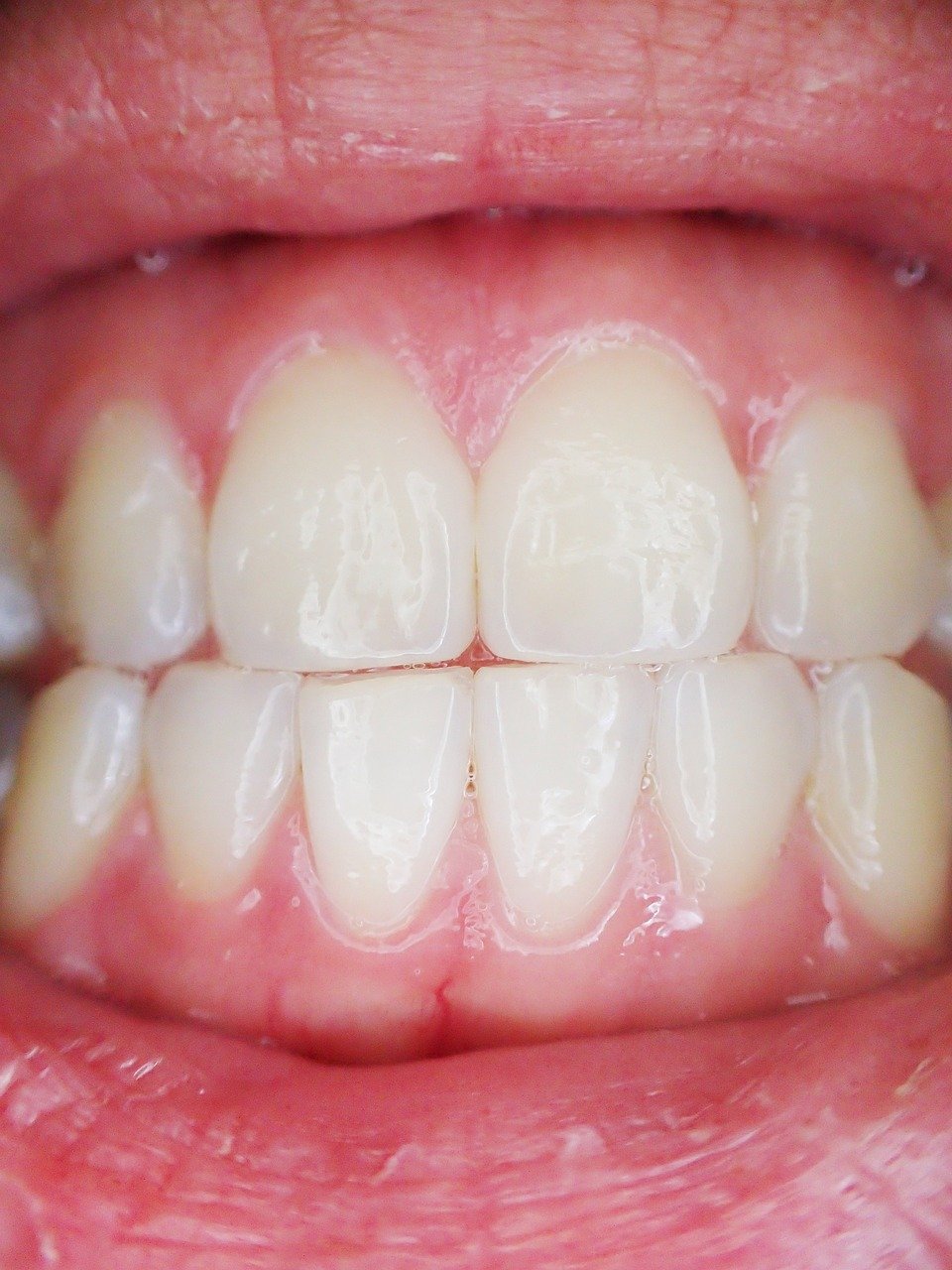
Healthy gums are pink and firm. Unhealthy gums can either be white or red and usually appear swollen. It's also not healthy if the gums are receding away from the teeth. When flossed, healthy gums don't usually bleed. The tongue and the walls of the mouth should also be pink. Healthy teeth are not necessarily blindingly white or even perfectly straight. They should, however, be firmly rooted in the mouth.
How Is Substance Abuse Defined?
Substance abuse is also known as drug abuse. Commonly abused substances include alcohol, cannabis, amphetamines, pain medicines, and cocaine. When any substance is used in a way other than the way it is supposed to be used, that's abuse. Substance abuse also covers when drugs or alcohol are consumed in excessive amounts. Both legal drugs, like over-the-counter or prescription medications, and illegal drugs can lead to substance abuse problems. People struggling with substance abuse issues also usually develop health, dental, emotional, and social problems as a result of their addictions.
- Substance Abuse/Chemical Dependency
- Definition of Substance Abuse
- Defining Substance Abuse and Substance Use Disorders
Alcohol
One component of a healthy mouth is having sufficient saliva to keep all of the tissues hydrated. Saliva also helps naturally wash away the acids that plaque bacteria on teeth produce. Alcohol slows down the production of saliva, which can lead to many issues. Initially, it leads to more plaque building up on the teeth. Eventually, not having enough saliva leads to tooth decay and gum disease.
- Impact of Alcohol Dependency on Oral Health: A Cross-Sectional Comparative Study
- How Does Alcohol Affect Your Oral Health?
- Smoking, Drinking, and Oral Health
Ecstasy
Dry mouth, or the lack of sufficient saliva, is also a problem for ecstasy users. Like in people who overindulge in alcohol, chronic dry mouth can lead to an excess of plaque and eventual gum and tooth decay. Additionally, MDMA users often clench their jaws and grind their teeth. These actions wear down the teeth and can lead to tooth loss.
Cannabis
Cannabis use has been linked with poor oral health. However, it's challenging for researchers to determine how much of this damage to teeth and gums is caused by marijuana use and how much is caused by lifestyle factors associated with marijuana use. For example, people who take cannabis often also drink alcohol. THC, the main agent in cannabis, also works to increase the appetite, which usually leads to eating sugary snacks. People who smoke cannabis often have chronically swollen gums and thickened mucus in the mouth.
- Cannabis: Oral Health Effects
- Cannabis and Its Impact on Oral Health
- Cannabis: What Dental Providers Need to Know
Methamphetamine
Methamphetamine abuse and oral health issues are so linked that there's a term for it: meth mouth. Methamphetamine is acidic and wears away the enamel on the teeth. Decaying, rotten teeth are a hallmark of meth mouth. Meth also reduces blood flow to the gums, which can result in gum tissue receding from the teeth or dying. Gum disease leaves people more likely to develop heart disease or suffer from a stroke. Dry mouth is also caused by using meth. People using meth also are more likely to grind their teeth. Additionally, many meth users suffer from hygiene issues, which worsens the other problems caused by meth.
Cocaine
Cocaine use can also cause significant oral health issues. For example, it's well-known that cocaine use can lead to nasal septum perforation. The substance literally eats away at the septum in the nose. It can also eat away at the roof of the mouth. Some studies suggest that it's not uncommon for chronic cocaine abuse to lead to perforation between the roof of the mouth and the nasal cavities.
- Cocaine and Oral Health
- Oral Changes in Cocaine Abusers: An Integrative View
- Horrific Pictures Show How Cocaine Can Erode the Roof of Your Mouth
Heroin
The Journal of the American Dental Association has reported that dental decay is found in similar amounts in people who inject heroin as people who regularly abuse methamphetamine. The reasons are probably threefold. Heroin causes dry mouth, makes people crave sweets, and also leads to poor oral hygiene as addicts lose control of the basics of their lives.
- Heroin Long-Term Effects on Mouth and Teeth
- "What Surprises Me Most: You Have No Teeth"
- New Teeth, New Life for Fast-Food Heroin User
Where to Seek Help
Private addiction therapists, local support groups, rehab centers, and treatment at psychiatric hospitals are all options for people with substance abuse issues. Reaching out to the SAMHSA National Helpline can help people with substance abuse disorders and their families find appropriate local resources. Additionally, people with teeth damaged by substance abuse can also get help to restore their mouths. In fact, evidence suggests that those in recovery who get dental work to restore their smiles have better outcomes than those in recovery who don't address their oral health issues.
Ready to book an appointment?
Book a consultation today or make an appointment using our convenient online appointment scheduler.
Book appointment

Enjoy the flexibility of paying through monthly payments.
CareCredit is a healthcare credit card designed for your health and wellness.
Learn more

A discount plan available to keep you and your family healthy.
Everyone is accepted and membership can include coverage for your family.
Learn more