
Youth Physical and Mental Health Resources
Everyone wants kids to grow up to be mentally and physically healthy. A good foundation for both types of health starts in infancy. Babies need to be held, loved, talked to, and given the chance to move their tiny bodies. Older kids have these same basic needs and more. Kids start modeling their behavior after adult family members when they are very young, and that's also when they start establishing habits that impact their physical and mental health.
Physical Health
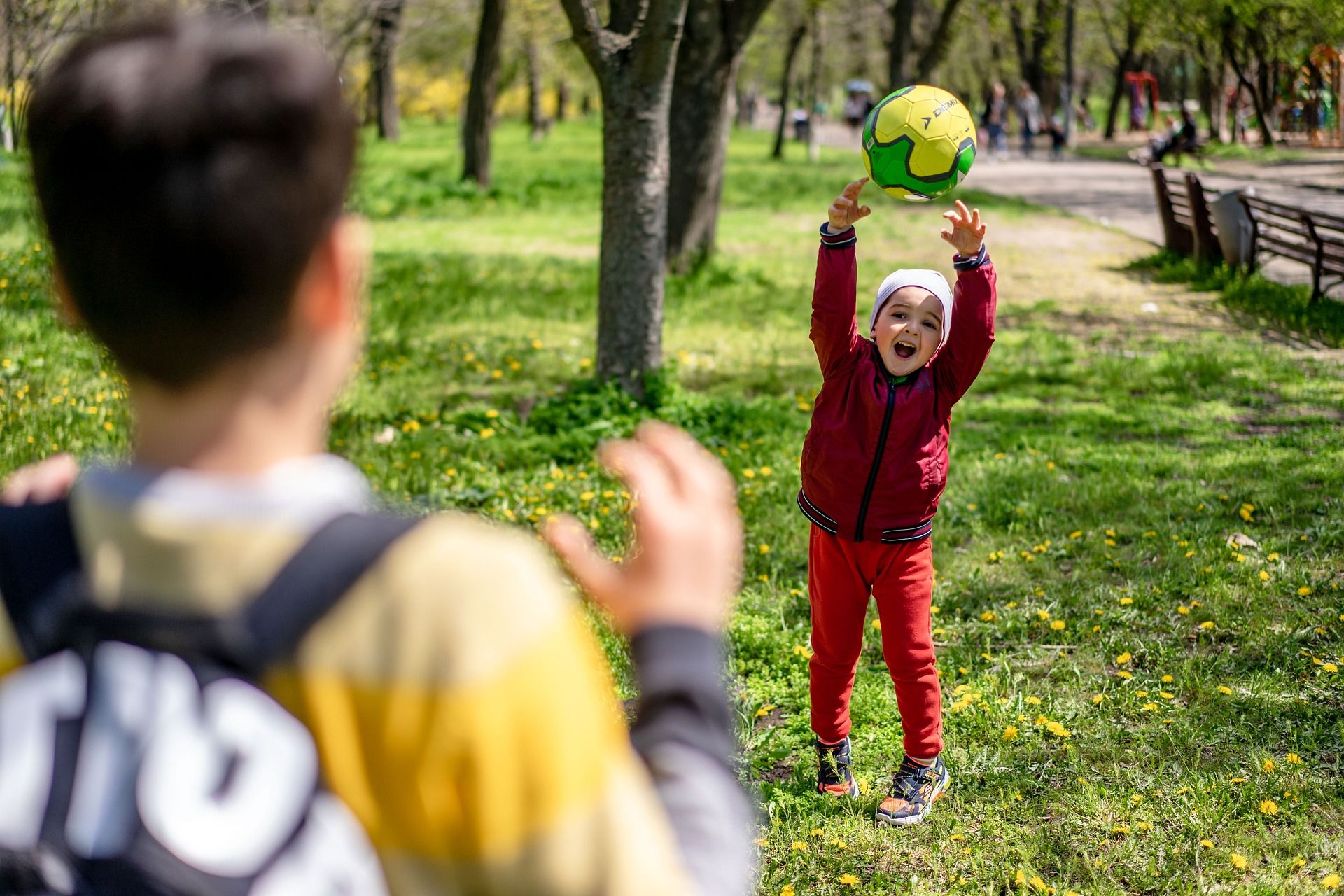
One thing everyone needs to be healthy is some sort of regular exercise. Sometimes people think that physical activity means playing a sport or participating in some sort of competitive activity. That's not true! Kids who love sports should play them, but even students who don't like sports can find some sort of physical activity that keeps them moving and makes them happy. Physical movement helps build healthier bodies and healthier minds.
Being able to plan and cook nutritious meals is another life skill everyone needs. A healthy diet doesn't mean one where people never eat anything fun. It does mean choosing foods that are rich in nutrients. Eating foods that are high in calories and low in vitamins should only be eaten as occasional treats.
- Kids Need 60 Minutes of Physical Activity Every Day: The sixty minutes kids need don't have to be done all at once. It can be broken up throughout the school day and at home!
- 1,2,3,4: Hip, Hop, Move: Some Caribbean-inspired dance steps get kids moving, help little kids learn to count, and teach everyone how to move to the beat!
- Fitness Portfolio: A fitness portfolio designed for kids them help them make fitness goals and come up with a plan to make their goals into reality!
- Be Active and Have Fun: Families who want to include more physical activities can try including a walk as part of their evening routine.
- Making Physical Activity a Part of a Child's Life: Playing chase or riding a bike are great ways for kids to include activity in their daily lives.
- 8 Simple Ways to Teach Children Health and Wellness: Teaching kids about balanced meals and how to work physical activity into their daily lives is setting them up for a lifetime of healthy choices!
- PE with Miss Avie - Homemade Bean Bag & Games: A rainy day doesn't mean it's impossible to work in some fun physical activity.
- Fruit and Veggie Fun: Eating nutritious food is an important part of staying physically healthy.
- Family Friendly Fitness: Simon Says and hula hoop contests are fun ways for the entire family to get in some movement.
- Teaching Kids to Be In Charge of their Health: How and When: As kids grow older, parents should start taking a back seat at visits to the doctor and dentist.
- Be Active Today (PDF): Walking around the neighborhood is a simple way to get in some physical activity.
- PE for Parents: Kids love doing activities with their parents.
- How To Teach Kids Healthy Eating Habits: Family meal times are one great way for kids to pick up great eating habits.
- The Best Types of Movement to Help Kids Stay Healthy: Kids who hate organized sports often struggle to find physical activity they really enjoy.
- Tips for Teaching Kids Healthy Habits: Kids must learn about good hygiene and oral health.
Mental Health
Everyone on the planet has been sad, scared, or lonely. These feelings aren't necessarily bad. In fact, learning how to deal with negative emotions is an important part of building resiliency. Kids need to understand what mental health is, how to build healthy emotional habits, and when to ask for help when they feel overwhelmed.
Learning to manage stress is a life skill everyone needs to learn. Sometimes adults forget how stressful being a kid can be! Things like learning mindfulness and how to relieve stress are vital so that kids can keep applying these lessons as they deal with the pressures of high school, college, and adulthood.
Anxiety is one of the most diagnosed mental issues in children. Much like stress, it's good for all kids to learn how to manage their fears successfully. Being able to self-soothe, keep calm under pressure and do self-care on a bad day makes kids more resilient and independent.
- Self-Esteem and Body Image Activities for Kids: Kids should learn to focus on what makes them unique, instead of always comparing themselves to others.
- Mindfulness: When a brain is only paying attention to one thing and is fully engaged in that activity, that's mindfulness. Like learning how to throw a curve ball or draw well, mindfulness is something kids can get better at by practicing it regularly.
- Mental Health: Health Tips for Families: Building good mental health starts when kids are still babies.
- A Child Therapist's Favorite Resources for Calming Anxiety in Children: Lots of kids deal with anxiety. Learning how to calm these feelings helps them have more control over their feelings.
- How to Speak with Your Kid About Anxiety: An upset stomach is often a symptom of anxiety.
- 6 Mobile Device Apps to Help Manage the Anxiety and Stress in Your Child's Life: Kids don't need unlimited screen time, but some apps are very helpful for maintaining mental balance.
- Mental Illness Education for Kids (Video): It's not easy for lots of people, including kids, to understand what mental illness is.
- 20 Confessions from Teens with Mental Health Disorders: Real kids talk about how their mental issues make them feel.
- 11 Simple Self-Care Habits for Kids: Self-care is an important part of staying mentally healthy.
- Teaching Your Child to Identify and Express Emotions (PDF): Part of being mentally healthy is being able to understand and talk about feelings.
- Anger Management Tips for Children: Everyone gets angry, but there are healthy ways and unhealthy ways to deal with the strong emotion.
- 12 Activities to Help Your Child with Social Skills: Good social skills are a necessary part of making friends.
- Empowering Kids with Skills to Manage Their Emotions and Build Resiliency: Emotional resiliency helps kids withstand emotional upheavals throughout their lives.
- ADHD and Teens: Information for Parents (PDF): ADHD is a common mental health condition.
- Trauma & Grief: Kids who lose a loved one or experience another trauma need support to deal with the associated feelings.
Ready to book an appointment?
Book a consultation today or make an appointment using our convenient online appointment scheduler.
Book appointment

Enjoy the flexibility of paying through monthly payments.
CareCredit is a healthcare credit card designed for your health and wellness.
Learn more
A discount plan available to keep you and your family healthy.
Everyone is accepted and membership can include coverage for your family.
Learn more