
National Gum Care Month is September. Our periodontist in FL, along with other periodontists across the U.S. are excited to be able to teach patients how to fight gum disease. It’s a progressive disease that can cause tooth loss and overall health problems. Any periodontist will tell you it is an easily preventable disease if you keep your teeth clean, especially near the gumline, with regular brushing and flossing. It will also help if you quit using all tobacco products and eat a nutritious diet that is low in sugar. Other factors that contribute to gum disease include family history, crooked teeth you can't clean well, and regular alcohol consumption.
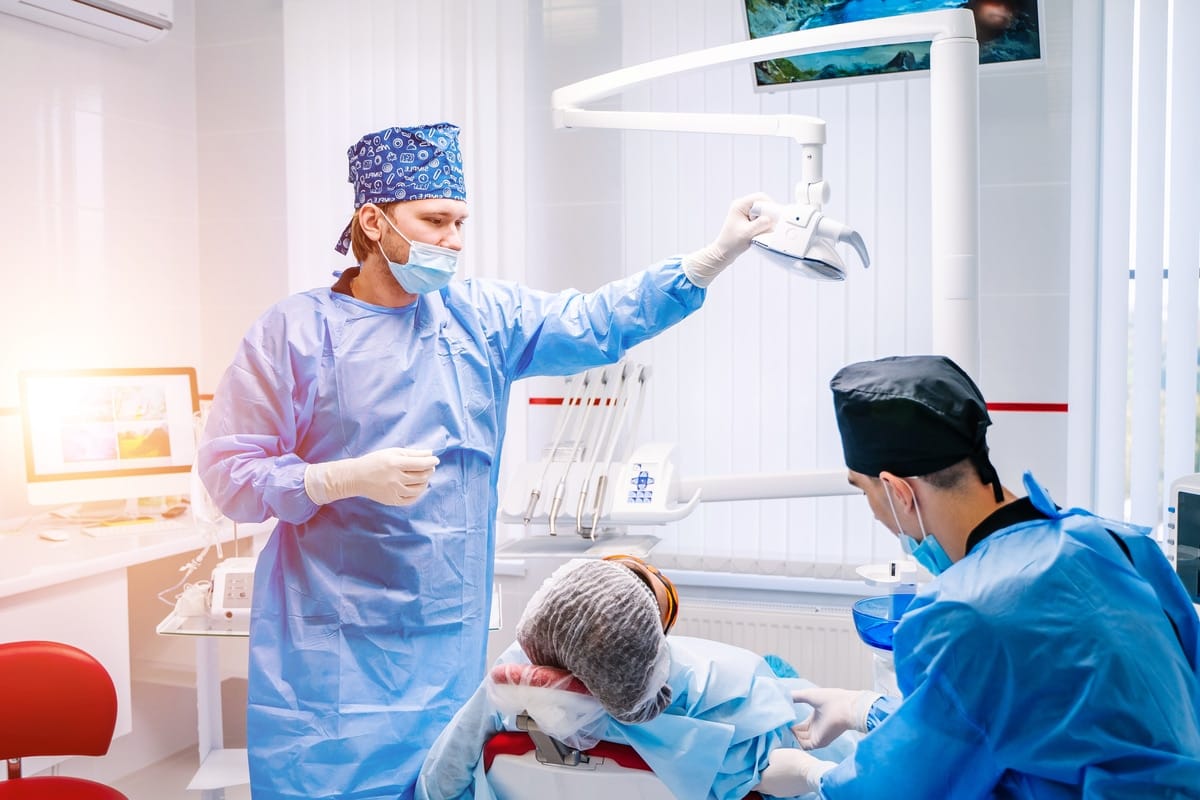
A periodontist is a dentist who graduated from dental school and then had three years of additional training in a periodontology residency program accredited by the American Dental association. They perform a variety of non-surgical and surgical procedures to treat gum disease, plus they also place implants.
Please call our periodontal office if you have concerns about your gum health. We’re experts at treating gum disease.
Your periodontist is the best person to ask if you have a specific question. However, in general, gum disease comes from inadequate dental care, especially a lack of flossing. It’s essential to keep plaque away from your gums, so it does not harden into tartar. Tartar contains bacteria that can damage your gums. You can’t get rid of tartar on your own, only a dentist, periodontist or dental hygienist can remove it.
Gum disease starts out as gingivitis. This is easily treatable and curable. About three out of four people will develop gingivitis at some point. This isn't surprising since many people don't floss daily. Gingivitis may progress to periodontal disease, but everyone with periodontal disease had gingivitis first.
If you notice any of the warning signs below, please contact our periodontist’s office in FL. We’re the experts!
There are subtle signs of early gum disease and major signs of advanced gum disease. We urge you to come in and see us if you’re experiencing any of these symptoms.
These are the symptoms of gingivitis, an early form of gum disease. It’s common; about half of all adults over age 30 will get it at some time. While gingivitis does not always progress to periodontal disease, it easily can without treatment. Treatment is easy, usually a dental cleaning and advice about a better dental hygiene routine.
Symptoms of advanced gum disease include:
If you have any of these symptoms, we urge you to visit our periodontist’s office in FL. Our goal is to stop any pain you’re feeling and to save your teeth. Loose teeth can make chewing painful and your teeth may not fit together the way they once did. Losing teeth is not inevitable as you age. If you take care of your teeth and its supporting structures, your teeth can last a lifetime.
Our periodontist in FL will go over your treatment options, which depend on the severity of your gum disease. Your periodontist will always try the least invasive treatment first. Typical surgical and non-surgical treatment options for advanced gum disease include:
1. Deep Dental Cleaning - this is also called a scaling and root planing. It’s different that a professional teeth cleaning. Scaling is removing plaque and tartar from below the gums. Root planing involves smoothing out the roots, so the teeth can reattach to the roots and promote healing. Often, your periodontist will apply medicine underneath the gums. You’ll receive something to ease the pain during the procedure, but your teeth may be sensitive for a few days afterward.
2. Surgery to Remove Infected Gum Tissue - After giving you a local anesthetic, your periodontist will remove any infected tissue and stitch the gums. It’s also called flap surgery. It’s the preferred method for treating periodontal pockets.
3. Bone Preservation Treatments - Your periodontist will try his or her best to preserve the bone that holds the tooth in place. There are a few treatments that may work and help you avoid a bone graft. One option is a gum graft to cover exposed roots and prevent bacteria from reaching the bone. This procedure uses your own gum tissue. Ask your periodontist about your options.
4. Bone Grafts - If your jawbone is not repairable, your periodontist may suggest a bone graft. This can be your own bone or artificial bone. Once this is done, you can get an implant if you lost your tooth to advanced gum disease. Our periodontist will perform the procedure under a local anesthetic, so it’s not painful. If you prefer, your periodontist can offer other sedation methods as well. You may feel minor pain and experience bruising for a few days afterward. Healing times vary, depending on your body’s ability to heal itself.
If you're having a bone graft to replace a tooth lost to severe gum disease, or you just want to replace a lost tooth from years ago. our periodontist in FL excels at placing implants. He or she is the best person to evaluate your bone health or its healing after a bone graft.
Our periodontist in FL is an expert in gum health. At our office, we want you to keep your natural teeth for as long as possible. We know your gums are just as important as your teeth.
We’re the experts and we’re here when you need us for top-tier gum care. Call today for your appointment!